

Blog
What Is PIR Sensitivity and How Does It Affect False Alarms?
Sep
TL;DR: PIR (Passive Infrared) sensors detect motion by measuring heat changes, making them more reliable than standard motion sensors. However, PIR sensitivity affects performance and false alarms. Adjusting sensitivity, proper placement, and choosing the right camera can optimize accuracy, reduce false alerts, and ensure your security system works effectively.
- High sensitivity = more detection, more false alarms.
- Low sensitivity = fewer false alarms, risk of missed threats.
- Proper placement and adjustments improve performance.
- Modern cameras use AI to filter alerts.
- Tips: start with medium settings, avoid heat sources, use pet-immune sensors.
When choosing a security system, it’s important to understand the features you need and how to get the most out of your system. PIR, or passive infrared sensors, are commonly used to detect motion by measuring changes in heat energy. While PIR sensors are highly effective, their sensitivity levels play a significant role in how accurately they detect real threats (and how often they might trigger false alarms).
Here, we’ll break down what PIR detection is and how PIR motion sensor sensitivity works. This will help you to choose the best security system for your needs or adjust your current set up for the best security experience.
What Is PIR Detection?
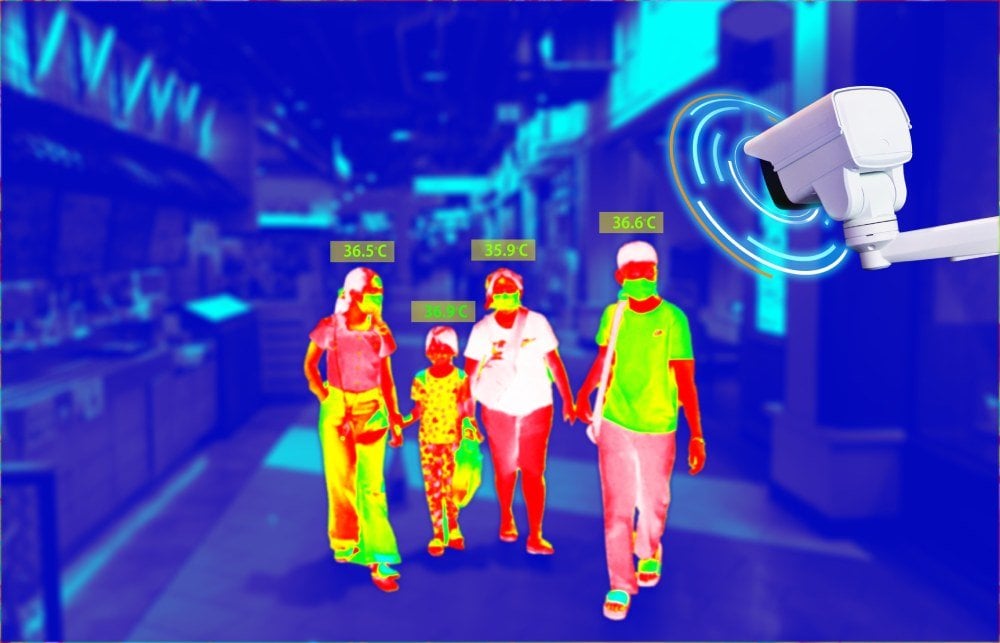
PIR detection refers to the ability of a device to detect motion through changes in infrared radiation.
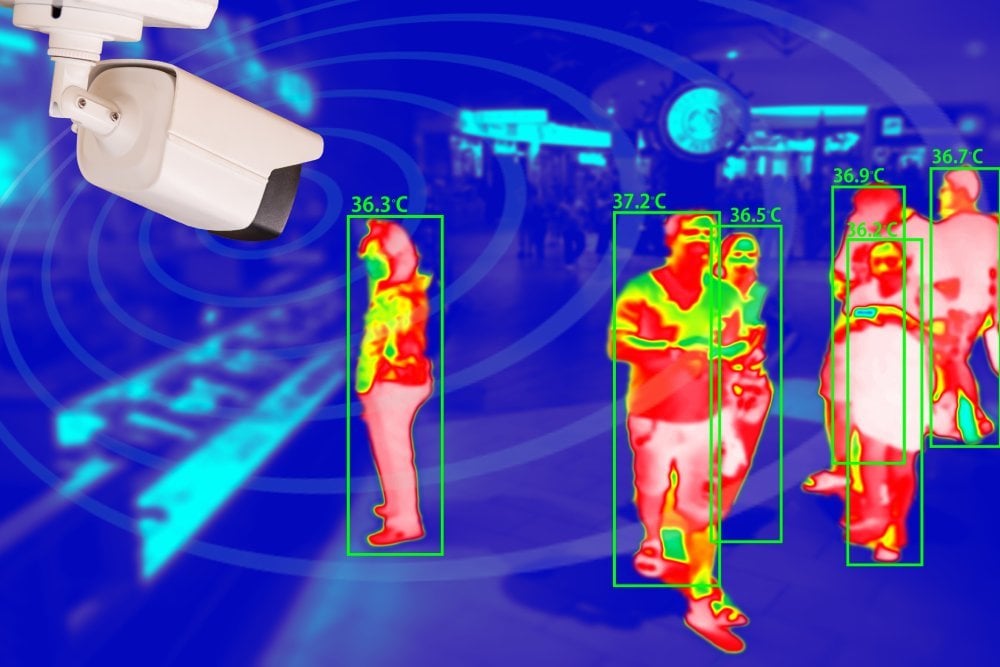
What is infrared? It’s the heat naturally emitted by people and animals. A PIR camera uses this technology to determine whether movement in its field of view is caused by a person, a pet, or something environmental, like shifting sunlight.
Because PIR detection relies on heat rather than simple motion, it’s often more reliable than standard motion sensors.
Understanding PIR Motion Sensor Sensitivity
PIR sensitivity determines how responsive the sensor is to changes in heat and movement. The higher the sensitivity, the more likely the sensor will pick up even small changes, like a small pet walking by. Lowering the sensitivity makes the PIR motion sensor less reactive, but it could also risk missing smaller, important movements.
When selecting a PIR camera, it’s important to understand its PIR sensor sensitivity range. This is the distance and size of motion the sensor can reliably detect. For example, some sensors are designed for close-range indoor use, while others cover larger outdoor areas.

How PIR Sensitivity Affects Security Performance
When it comes to PRI sensitivity, balance is key:
- High sensitivity: Detects even the smallest movement but may cause frequent false alarms.
- Low sensitivity: Reduces false triggers but may miss subtle movements.
- Optimized sensitivity: Improves system reliability, detecting real threats while minimizing unnecessary alerts.
Modern systems, such as an AI security camera, can help by filtering to better distinguish between people, animals, and environmental changes.
Common Causes of False Alarms with PIR Sensors
False alarms can frustrate users and reduce trust in their security system. Some common triggers include:
- Pets moving around the home
- Blowing curtains or plants
- Heat from HVAC vents or direct sunlight
- Small animals or insects
- Improper sensor placement
This is why properly adjusting PIR motion sensor sensitivity is so important. Set the sensitivity too high, and your camera may alert you constantly. Conversely, if it’s too low, it could miss a potential threat.
Tips for Adjusting PIR Motion Sensor Sensitivity
Not sure what your PIR should be set at? Here are some tips to get the best performance out of your PIR camera:
- Start with medium/default sensitivity settings and test them in real conditions.
- If you have pets, consider cameras with pet-immune PIR sensors.
- Avoid placing PIR sensors near heat sources, windows, or air vents.
- Angle sensors so they monitor key areas without pointing at moving objects like trees.
- Regularly clean and maintain your devices.
Choosing the Right Security Camera
Not all security cameras are the same. Some offer advanced sensitivity controls, while others integrate with smart technology to reduce false alerts. When shopping for a system, consider:
- Whether you need indoor or outdoor PIR detection
- The sensor’s detection range
- Whether you need a wireless security camera system for more placement options
- Integration with other features like night vision and AI motion analysis
- Compliance and security standards (such as NDAA compliant cameras)
At GW Security, our security camera systems include options with PIR detection designed to fit your needs.
