

Blog
Mapping Out the Best Places to Install Security Cameras
Dec
Installing security cameras can bring peace of mind, knowing your home and loved ones are secure. However, for the best protection, it’s essential to understand where to put security cameras around your home. Each location has unique security benefits and concerns, making camera placements crucial for an effective setup.
Here’s a friendly guide to choosing the best places to install your security cameras for optimal coverage, with key tips on placing security cameras outside and inside your home.
Where to Place Home Security Cameras
1. Front Door – Your First Line of Defense
The front door is the most common entry point, so it should be your first consideration. Placing a camera here helps monitor everyone who approaches, from visitors to package deliveries.
- Best Type of Camera: A video doorbell with night vision is ideal for front doors.
- Camera Installation Tips: Mount it at eye level to capture clear images of faces.
- Power Source: Wired security cameras work well, but make sure you have a nearby outlet if you’re going this route.
A front door camera covers a lot of ground, but it’s important to install your security camera at an angle that avoids bright light, which can interfere with video clarity.
2. Back and Side Doors – Keep an Eye on Secondary Entry Points
Other exterior doors, like side and back doors, are common entry points for intruders. Installing cameras at these spots can help prevent unauthorized access.
- Best Type of Camera: Motion detection cameras work well here.
- Fields of View: Make sure the camera covers the entire doorway and area around it.
- Avoid Blind Spots: Position the camera in a way that eliminates potential blind spots around these entries.
3. Living Room – High-Traffic Area
Placing security cameras inside your home in high-traffic areas like the living room can be helpful for monitoring activity. It’s a great way to check on pets, kids, or other household happenings.
- Best Type of Camera: Indoor cameras with a wide-angle lens are perfect for this setup.
- Privacy Note: When setting up security cameras, avoid placing them in private spaces, such as bedrooms or bathrooms.
4. Street-Facing Windows – Monitor Outside Activity
For homes with street-facing windows, these spots can provide insight into any suspicious activity around your property. Knowing where to place security cameras outside the home is key. Monitoring your front yard or driveway with a camera placed at these windows can help keep an eye on everything outside.
- Best Type of Camera: Cameras with a zoom feature and night vision.
- Power Source: Wired cameras are great but might require professional installation.
Street-facing cameras are a good way to ensure you’re aware of any unusual activity or potential intruders approaching the house.
5. Garage – Cover Both the Inside and Outside
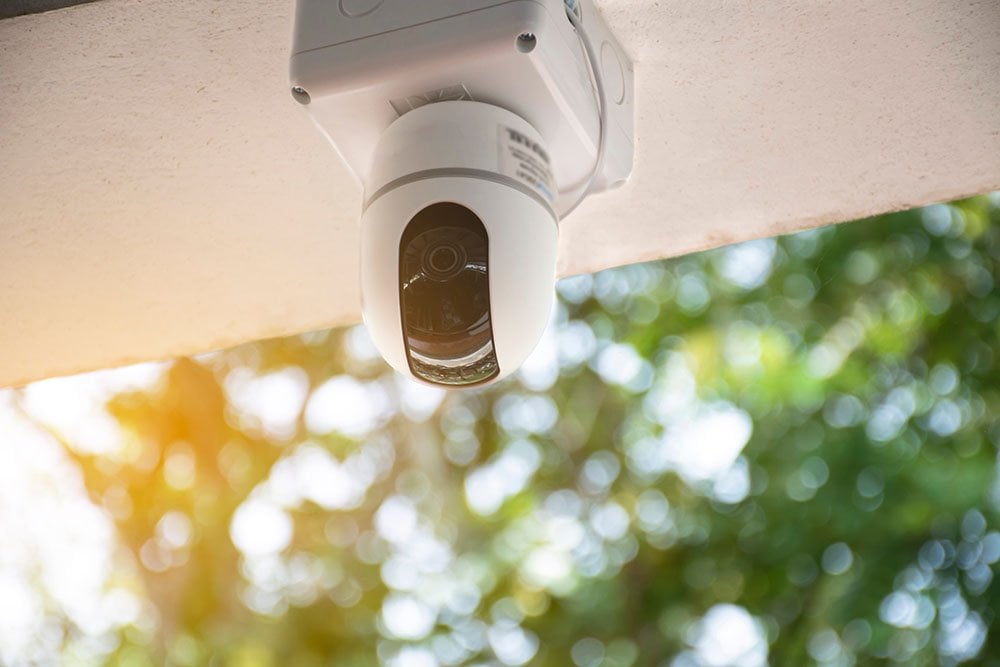
Garages are often entry points for intruders, especially if they are connected to your home. Placing a camera inside and outside the garage door can provide double security.
- Best Type of Camera: Weatherproof cameras for the exterior and motion detection for the interior.
- Installation Tips: Ensure the camera’s field of view includes the driveway if you want to monitor vehicles.
6. Backyard – Ideal for Monitoring Activity Outside
The backyard is a private space, yet it’s vulnerable to unwanted visitors. Setting up security cameras here can help you monitor any unexpected guests, whether animals or humans.
- Best Type of Camera: Wide-angle, weatherproof cameras are essential for backyard coverage.
- Power Source: Wired security cameras are durable and work well for this setup.
7. Stairways and Hallways – Keep an Eye on Movement Indoors
Stairways or hallways are excellent places to monitor movement inside your home. If an intruder makes it inside, they’ll likely pass through one of these areas.
- Camera Placement Tips: Place cameras at the top of the stairway for the best view of movement below.
- Camera Type: Indoor motion detection cameras are useful for these spaces.
8. Consider Video Doorbells and Entryway Sensors for Extra Protection
Video doorbells are fantastic for monitoring your front entry, while sensors on other entries, like the side doors, can enhance security.
Key Points for Optimal Camera Installation
When it comes to setting up security cameras, a few other factors play a significant role:
- Avoid Blind Spots: Check for areas where a camera’s view is blocked, whether by landscaping, structures, or corners.
- Fields of View: A wide-angle lens or zoom feature can be ideal for wider spaces, like driveways or living rooms.
- Power Source Considerations: Wired security cameras are reliable but may need a nearby power source.
- Professional Installation: For complex installations or when running wires, professional installation might be your best bet to ensure everything is set up correctly.
Additional Tips for Placing Security Cameras
Here are a few quick pointers to help you choose camera locations around your home:
- Check Visibility in Bright Light: Adjust camera settings or placement if glare affects the view.
- Use Motion Detection: Many security cameras offer this feature, which saves video storage and ensures you’re alerted to movement.
- Avoid Bedrooms or Bathrooms: For privacy, it’s best to avoid placing cameras in these areas.
Following these guidelines will ensure your home is well-covered, giving you and your loved ones peace of mind. With the right camera placements and setup, you’ll have a secure and safe home environment. Whether you’re watching your front door, backyard, or hallway, strategic placement will help you make the most of your security camera system.
Shop our WiFi cameras today!
