

Wired Security Camera Systems
Wired security camera systems still beat wireless setups when you need footage you can count on, whether you’re covering a storefront, a warehouse floor, or the blind spots around a house. GW Security carries two kinds: a PoE security camera system, which sends video and power over a single Ethernet cable to a network recorder, and a coaxial system, which runs on standard coax cable to a DVR. Both record locally, with no monthly subscription required. Which one best fits your setup depends on your existing wiring and the resolution you need.
PoE vs. Coaxial Security Cameras
The difference in PoE vs. coaxial security cameras comes down to how each camera gets power and how far you can run the cable. A PoE system uses IP cameras that pull power and send video over a single Cat5e or Cat6 cable back to a network video recorder. GW Security’s PoE lineup runs from 5MP to 12MP resolution, records in H.265 to save on storage, and supports cable runs up to 325 feet per segment before you’d need a switch or extender.
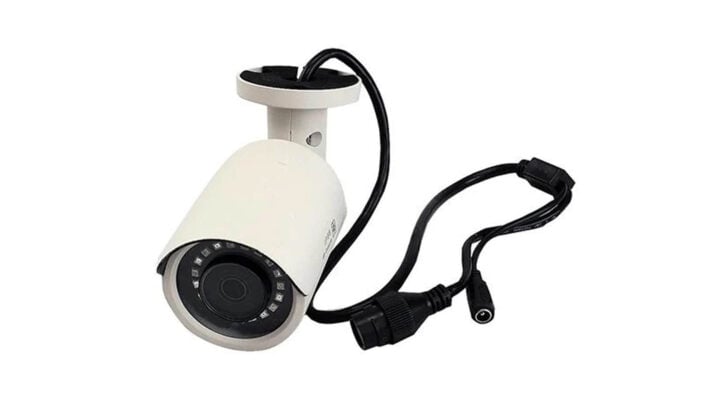
Coaxial and Analog Systems
A coaxial security camera system works differently. Cameras send video over standard coax cable to a digital video recorder, and power runs separately, usually through a bundled siamese cable rather than the single-cable setup PoE uses. An analog security camera system costs less than an equivalent PoE setup and is the simpler upgrade path if your building already has coax wiring from an older CCTV system. GW Security’s coaxial cameras now go up to 8MP (4K), so you’re not stuck with older analog resolution just because you’re keeping the existing wiring.
How To Choose a Wired Security Camera System
Choosing a wired security camera system usually starts with what’s already in the walls. If there’s coax run through the property from a previous system, staying coaxial, or moving to one of GW Security’s hybrid XVR recorders, which support both analog and IP cameras, usually costs less than rewiring. Starting from scratch, especially on a larger commercial property, tends to favor PoE: one cable per camera is easier to troubleshoot, and resolution options run higher.
Wired vs. Wireless
The question of which is better, wired vs. wireless security camera systems, usually comes down to reliability. Wireless cameras depend on a Wi-Fi signal reaching every location, and battery models need regular charging or panel swaps. A wired system draws continuous power, isn’t affected by dead zones or interference, and keeps recording locally even when the internet drops, so there’s no gap in coverage to explain later.
Finding the Best Wired Security Camera System for Your Property
There’s no single “best” for a wired security camera system. Your choice depends on channel count, resolution, and how you use your property:
- 4-channel coaxial kit: Covers a small storefront or a home’s entry points at a lower upfront cost.
- 16- or 32-channel PoE system with 4K or 12MP cameras: Best for a warehouse, parking lot, or multi-building site where you need to make out faces and plates at a distance.
GW Security’s team can help match channel count and camera placement to the floor plan before you buy.
Talk To GW Security Before You Buy
GW Security has been building wired security camera systems for homes and businesses since 2004, and our in-house team can help you land on the right PoE or coaxial setup the first time. Reach out before you order if you want a second opinion on channel count, camera placement, or cable runs.
Wired Security Camera System FAQs
Can I mix PoE and coaxial cameras on the same recorder?
Not on a standard NVR or DVR; no, they’re built for one camera type. GW Security does carry hybrid XVR recorders (8, 16, and 32 channel, up to 8MP/4K) that bridge the two, which is worth a look if you’re adding cameras to an existing coax system without a full rewire.
Do wired systems need a subscription or internet connection to record?
No. Both GW Security’s PoE and coaxial systems record locally to the recorder’s hard drive, and there’s no monthly cloud fee. You only need an internet connection if you want to check the cameras remotely through the GWView app; the recorder keeps working and saving footage without it.
Can I switch an existing coaxial system over to PoE without rewiring?
Usually not without running new cable, since PoE cameras need an Ethernet connection, and coax cable can’t carry that signal on its own. If a full rewire isn’t in the budget, a hybrid XVR recorder or higher-resolution coaxial cameras are usually the more practical upgrade path.
How far can I run the cable before I need extra equipment?
For GW Security’s PoE systems, each cable segment supports up to 325 feet before you’d need a switch or repeater. Coaxial cable can typically run further than that on a single segment, though the exact limit depends on cable grade and camera resolution, so it’s worth checking your specific run length with GW Security’s team before you buy.