


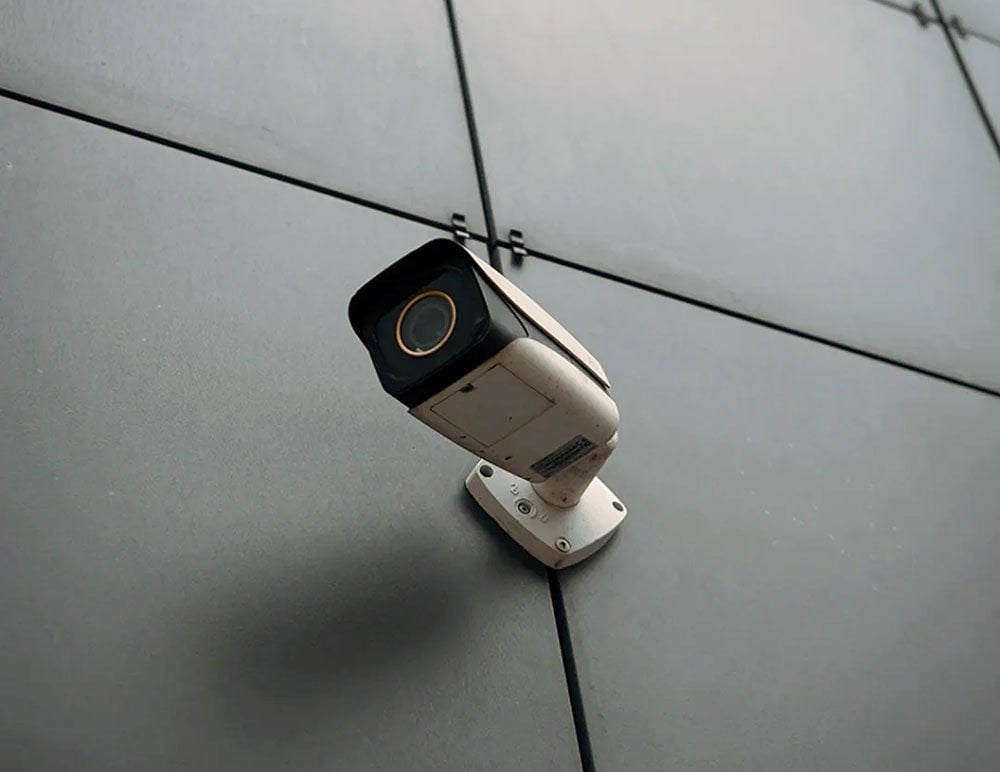
With so many options for security cameras indoor and outdoor, you might wonder if you can save some money by using an indoor camera outside. After all, it can capture footage, right? However, there are several reasons why this isn’t advisable, as indoor and outdoor cameras are specifically designed for different environments and purposes. Let’s explore why outdoor home security cameras are the better choice for monitoring the outside of your home.
Key Differences Between Indoor and Outdoor Cameras
Built for Different Environments
Indoor cameras are not built to withstand the elements. Outdoor cameras are designed to handle various weather conditions, from rain to extreme temperatures, making them more durable and suitable for outside use. Placing an indoor camera outside exposes it to moisture, dust, and fluctuating temperatures, which can cause it to malfunction or wear out faster.
In contrast, outdoor cameras are designed with robust casings and weatherproof seals, ensuring they can stand up to the unpredictable outdoors. The exposure an indoor and outdoor camera faces can make or break its ability to capture clear footage over time, so it’s crucial to use the right type for each environment.
Features Tailored for Outdoor Surveillance
Outdoor security cameras are equipped with special features that enhance their effectiveness outside. For example, floodlight cameras combine a bright floodlight with a camera, illuminating any area in front of the lens and providing clear visibility even in the dark. Outdoor cameras often come with color night vision and higher field of view, allowing them to monitor larger areas, such as a front door, driveway, or yard.
Indoor cameras, on the other hand, typically don’t offer color night vision or have as wide a field of view. These cameras are often designed for close-range monitoring, ideal for rooms or smaller spaces. When you need a camera for outdoor purposes, it’s best to choose a model built specifically for that task.
Practical Drawbacks of Using Indoor Cameras Outside
Limited Weather Resistance
Unlike outdoor cameras, which are built with weather-resistant materials, indoor cameras are vulnerable to rain, wind, and dust. Even a sprinkle of rain could affect an indoor camera placed outside, causing it to stop working or compromising its video recorder. To ensure your outdoor security camera provides reliable footage, opt for a model made for outdoor use.
Reduced Motion Detection Capabilities
Motion detection is a key feature of outdoor home security cameras, and it’s tailored to work efficiently in open spaces. Outdoor indoor camera systems are engineered to ignore minor movements like leaves blowing but detect genuine threats like people approaching your front door. Indoor cameras don’t have this level of motion sensitivity, so using them outdoors could result in too many motion alerts triggered by small, non-threatening movements.
Choosing the Right Camera for Your Smart Home
If you’re building a smart home security system, it’s important to think strategically about indoor and outdoor cameras. Combining both types allows you to create a well-rounded setup, using indoor security cameras to monitor specific rooms while outdoor cameras focus on entrances and outdoor areas. Many security camera indoor outdoor systems integrate smoothly into smart home setups, offering live viewing capabilities, remote access, and more.
Using outdoor cameras for the outside of your home also makes it easier to keep tabs on your entire property, while your indoor cameras can focus on key spots inside. When both cameras are in their proper places, you maximize each camera’s effectiveness.

Why Motion Alerts Matter Outside
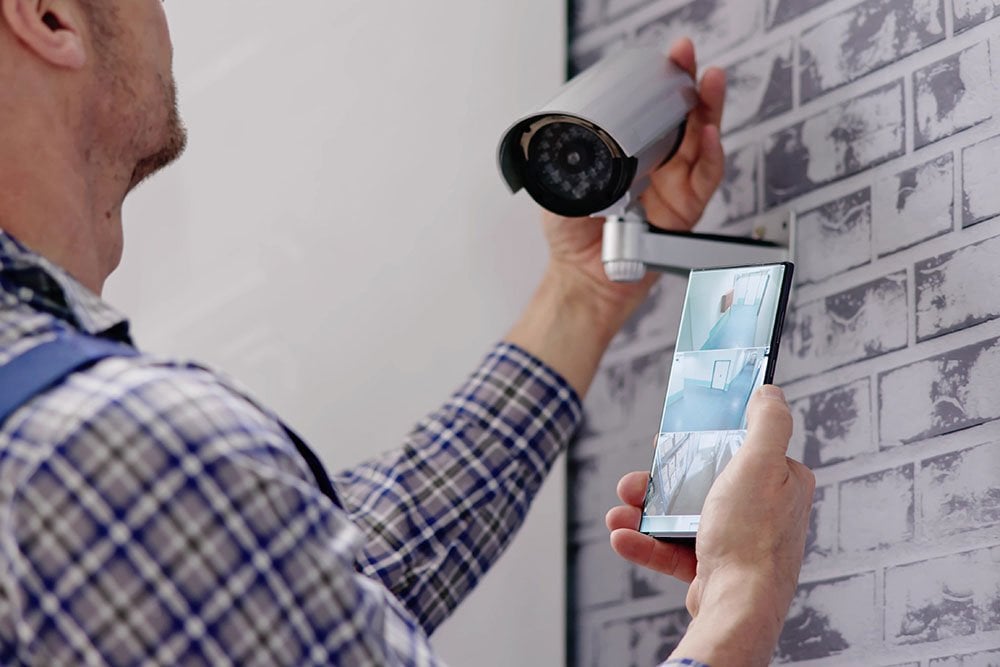
Outdoor cameras come with advanced motion detection that’s calibrated for open areas. They often trigger motion alerts that notify you when a person or vehicle approaches, allowing you to check live viewing if needed. With the right setup, your smart home system can automatically send motion alerts to your phone, keeping you informed of potential security threats in real time.
Indoor cameras typically aren’t designed to ignore harmless outdoor activity, which could lead to a high number of false alarms if placed outside. Using the right camera for the right location ensures more accurate alerts and makes it easier to monitor your property.
The Importance of Choosing the Right Field of View
Outdoor cameras often have a wider field of view, which is essential for monitoring large areas like your yard, driveway, or front door. This broader perspective ensures that outdoor cameras can cover larger spaces without missing anything important. Indoor cameras, however, usually offer a narrower field of view, suited for smaller rooms and focused areas.
If you’re looking to cover outdoor areas effectively, an outdoor camera with a wide field of view will allow you to monitor more of your surroundings without needing multiple cameras.
Pros and Cons: Indoor vs. Outdoor Cameras
It’s worth considering the pros and cons of security cameras when deciding on your setup. Here’s a quick comparison to highlight why using the right camera in the right place is important:
Outdoor Cameras:
- Pros: Weatherproof, wide field of view, enhanced motion detection, color night vision, and designed for larger spaces.
- Cons: Typically more expensive and less suited for indoor close-up monitoring.
Indoor Cameras:
- Pros: More affordable, compact, ideal for indoor rooms, and easy to integrate into a home setup.
- Cons: Not weatherproof, limited field of view, and less suitable for outdoor use.
The Bottom Line: Use the Right Camera for the Right Location
Using an indoor camera outside may seem like a budget-friendly choice, but it can end up costing you more in the long run due to the limited durability and functionality of indoor cameras in outdoor conditions. Outdoor home security cameras are specifically designed to withstand weather, cover larger areas, and offer enhanced features like motion detection and color night vision.
To get the most out of your security camera indoor outdoor setup, it’s best to invest in a combination of both types of cameras for comprehensive coverage of your home. This way, you protect your property effectively, enjoy the benefits of modern smart home technology, and have peace of mind knowing your home is secure, both inside and out.